So, looking around the internet, I have once again been appalled by the lack of knowledge about particular things. It seems that the web is not only the world's greatest source of information, but also the world's greatest source of misinformation. It's a sad fact. Everything you learn here you have to check and recheck to make sure you didn't make a mistake. Especially if you're in the habit of experimenting with potentially dangerous things. Alas, such is the topic for today's blog post. As the title says, I'm here to talk about the twenty-five most toxic and poisonous plants known to man (Or at least me), from an unadulterated perspective. I've seen on other sites how many plants listed are erroneously labeled as being toxic while in fact, compared to many other plants, they are rather tame. The reason I'm doing a list of twenty-five rather than five or ten is so that some of the commonly listed 'most toxic plants' get put in their respective places according to dose, not frequency of poisoning. So, counting down from twenty-five...
Update: Mouse-over the images to get a brief how-to on identifying these dangerous plants.
25.
Holly, Genus
Ilex
Holly is well known for being a bright, decorative plant, used especially around the Yuletide season. However, it can be dangerous, as it's bright red berries can be attractive to children. Containing the toxin ilicin, symptoms of poisoning include vomiting, difficulty swallowing, blurry vision, irregular heartbeat, difficulty breathing, and in some cases, death. The consumption of twenty or more berries has the potential to be fatal to an adult.
24.
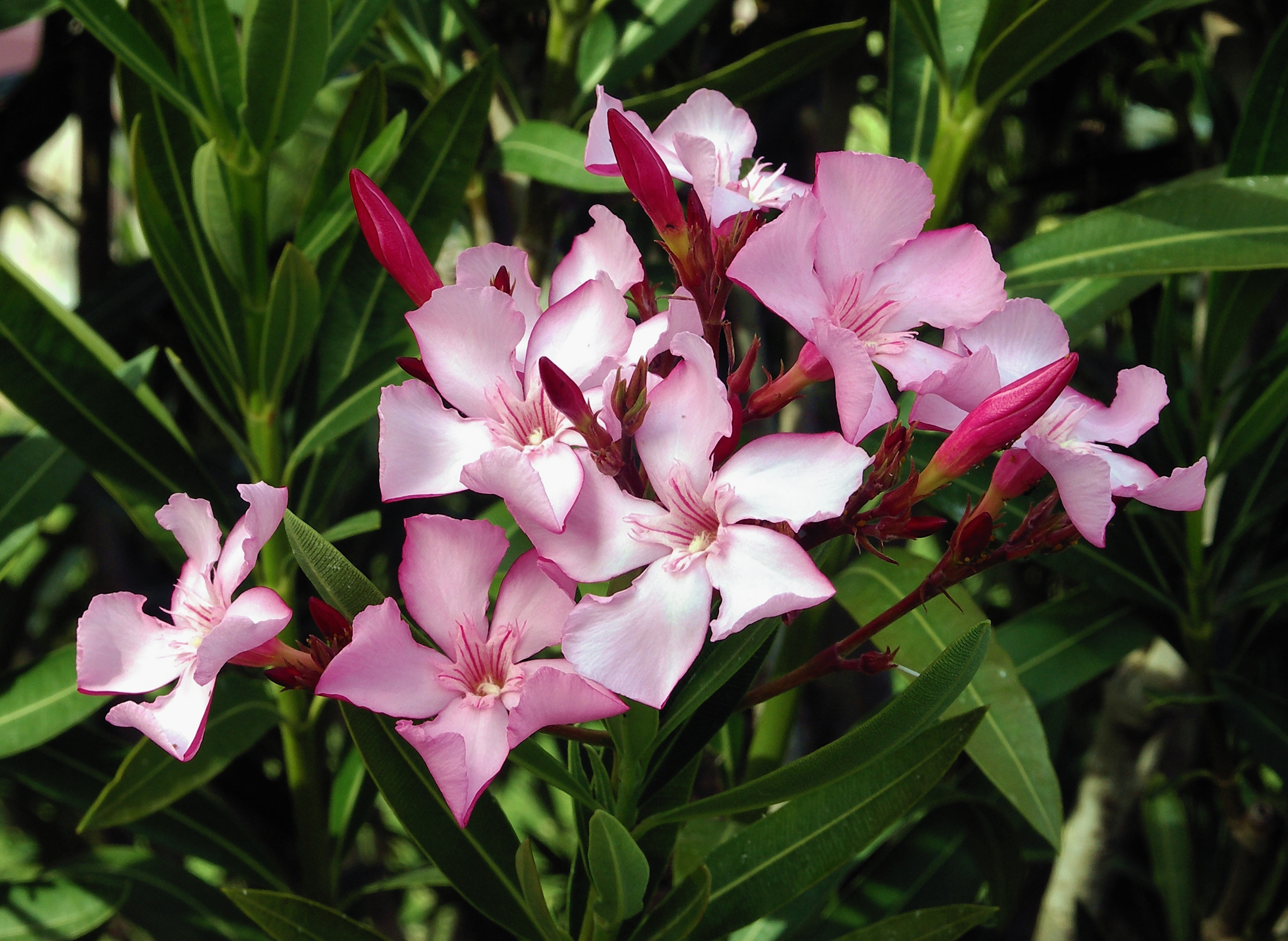
Oleander, Species
Nerium oleander
Despite often being labeled as the 'most toxic plant known', oleander is far from it. It is, however, still a dangerous plant, and while not the most toxic, is probably the plant with the most deaths or poisonings attributed to it. Because it is often grown around school gardens and is brightly colored, children have been known to eat a leaf or two, which can be fatal. For an adult, the fatal dose is thought to be between ten and twenty leaves. Symptoms of poisoning include nausea, vomiting, excess salivation, abdominal pain, diarrhea, irregular heartbeat, lack of bloodflow, drowsiness, tremors, seizures, collapse, and possibly coma or death. Contact with the sap can cause a rash with some people, and care should be taken not to use any part of the oleander plant for food-related purposes.
23.
Pangium Edule, Species
Pangium edule
Known as kepayang or keluak, this plant is best known for its 'football' fruit, which are heavily fermented before consumption. Before fermentation, the fruit and the seeds contain high amounts of hydrogen cyanide, which is extremely toxic. Ingestion of just a small portion of the unprepared fruit and seeds has the potential to cause sickness and death.
22.
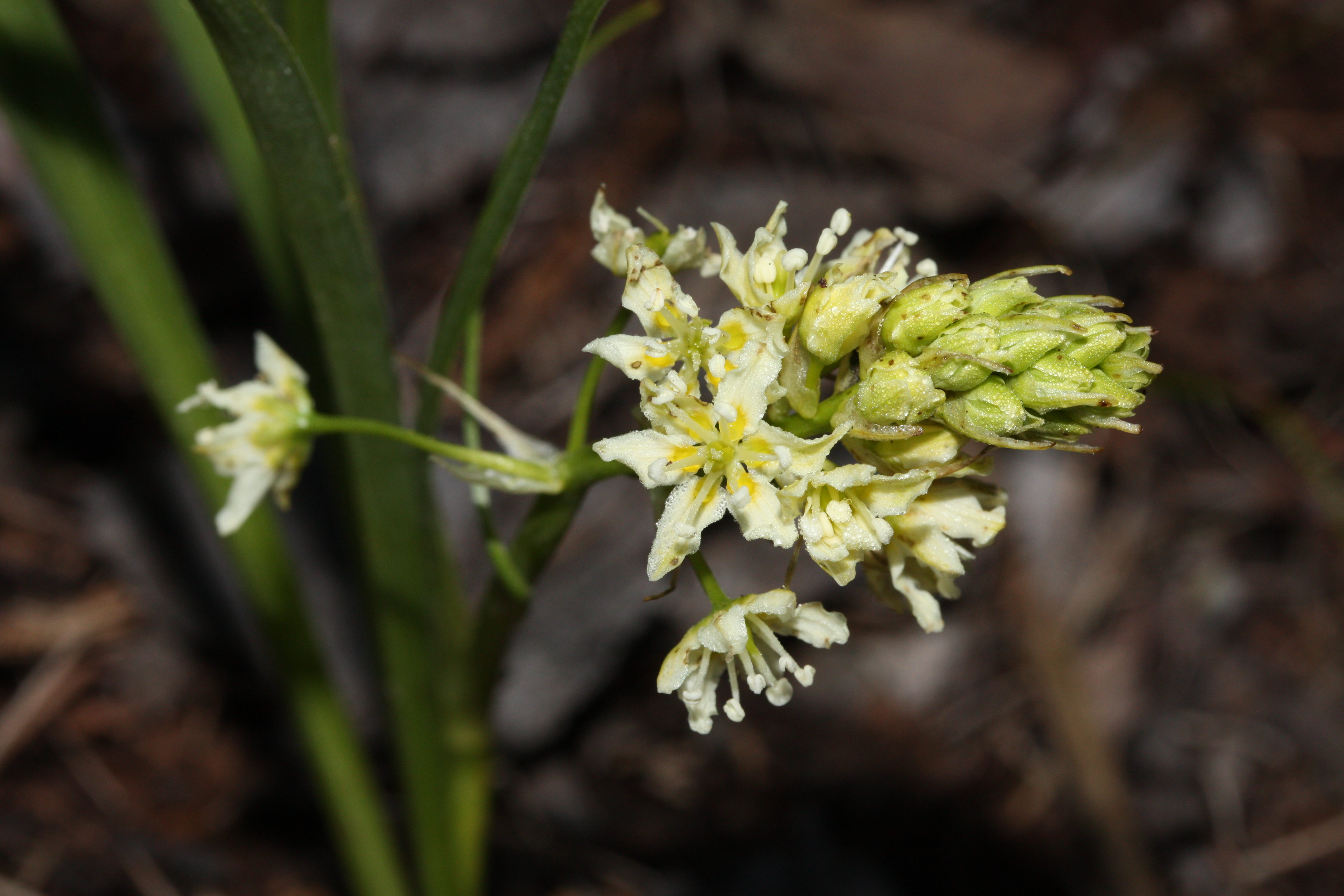
Death Camas, Species
Zigadenus venenosus
Often mistaken by travelers in the wild for onions, the death camas are very poisonous and contain various alkaloids. They can be differentiated from onions by the fact that the bulb has a significantly different smell, though this often goes unnoticed. It is presumable that it would take the consumption of only one bulb to be lethal, though it may be more dangerous than stated.
21.
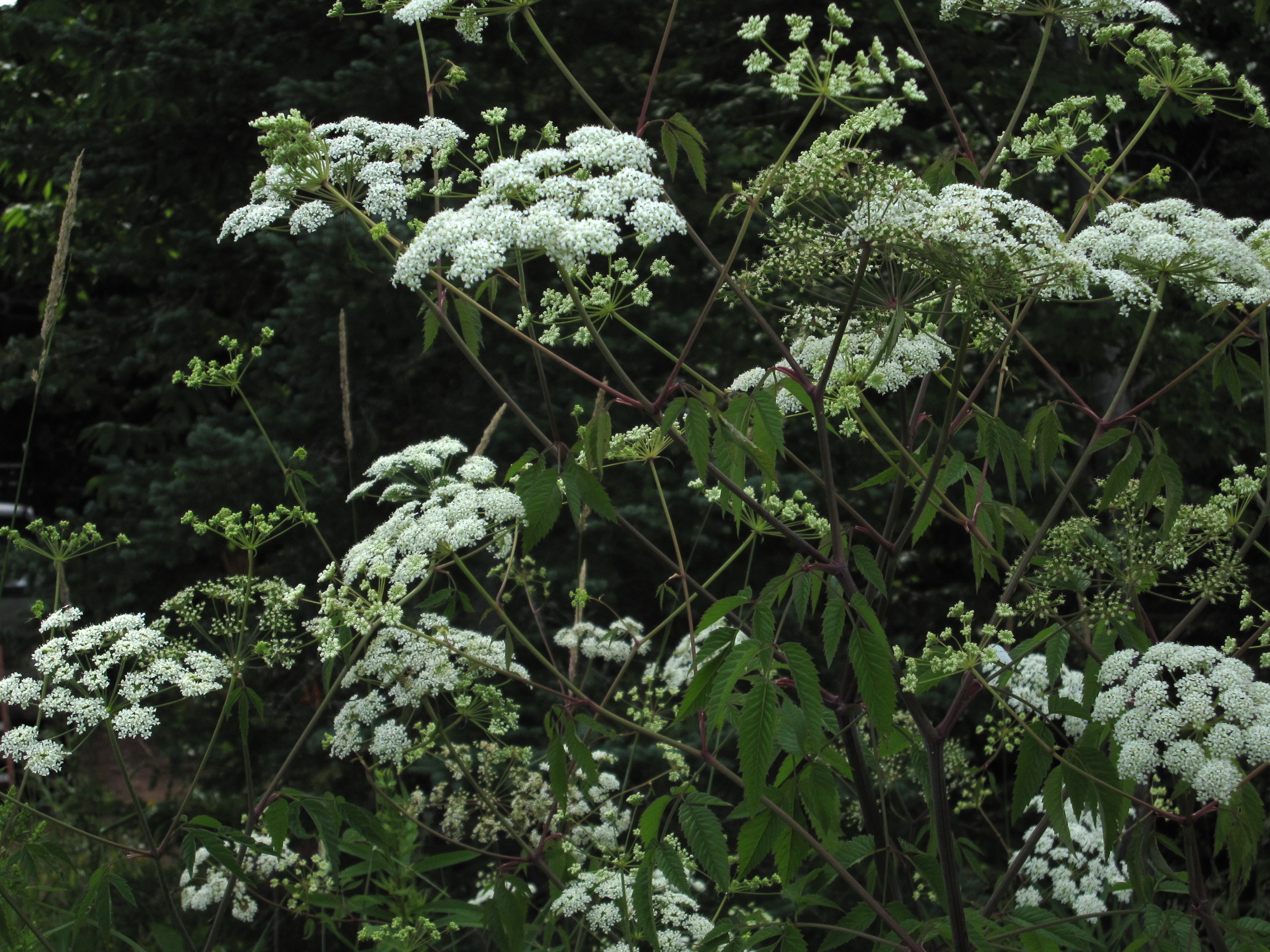
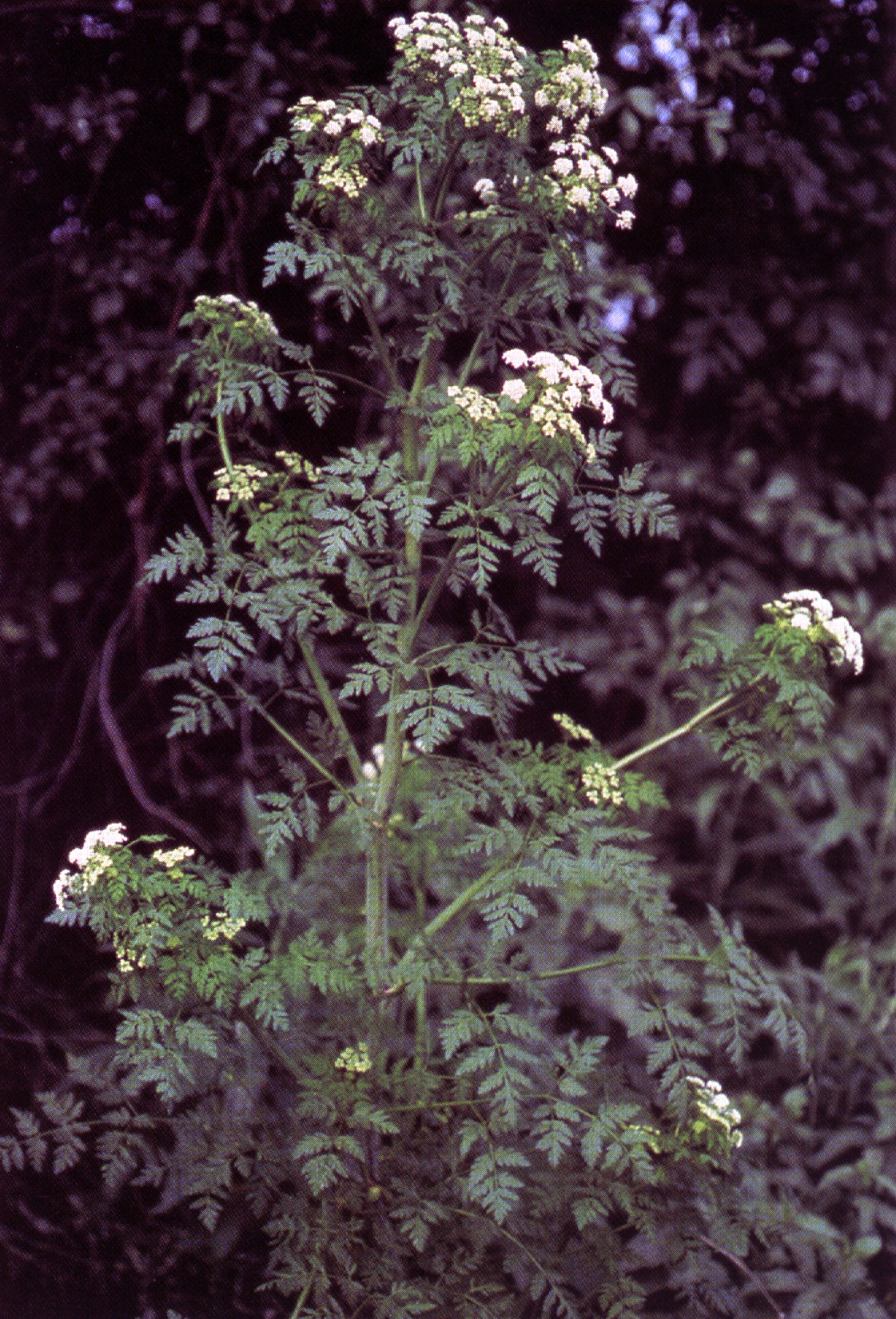
Poison Hemlock, Genus
Conium
Perhaps best known as the poison used to kill the Greek philosopher Socrates, poison hemlock is well known as a poison in both history and literature. Containing various alkaloids, primarily coniine, poison hemlock kills by disrupting the workings of the nervous system, resulting in muscular paralysis and eventually respiratory failure. Approximately six to eight leaves can be lethal to an adult.
20.
Autumn Crocus, Species
Colchicum autumnale
Also called meadow saffron or naked lady, the autumn crocus is often mistaken for ramsons, that is, wild garlic. The bulbs, however, contain a deadly toxin called colchicine, and ingestion can result in sickness and death. Some sources say that it can be differentiated from ramsons by the fragrance emitted by crushing the leaves; ramsons should smell like garlic.
19.
Manchineel Tree, Species
Hippomane mancinella
Also known as manzanilla de la muerte, or the apple of death, this tree certainly lives up to its name. The fruit, which look like small green apples, can be fatal if eaten. During rainfall, the tree secretes a milky substance which causes blistering of the skin on contact, and the smoke from burning the wood and foliage can irritate skin and cause blindness. While many trees are marked with an X by locals, this is not always the case.
18.
Pokeweed, Genus
Phytolacca
This plant is known by many alternate names such as poke, pokebush, pokeberry, pokeroot, polk salad, and inkberry, amongst others. All parts of the plant contain the toxins phytolaccatoxin and phytolaccigenin, which are potent toxins to mammals. Though in some parts, the leaves are boiled many times and then eaten, this practice is generally discouraged. Ingestion of ten or more berries or a pokeweed root has the potential to cause sickness in an adult, causing symptoms such as stomach cramping, nausea, persistent diarrhea and vomiting, difficulty breathing, weakness, spasm, increased blood pressure, convulsions, and in extreme cases, death.
17.
False Hellebore, Genus
Veratrum
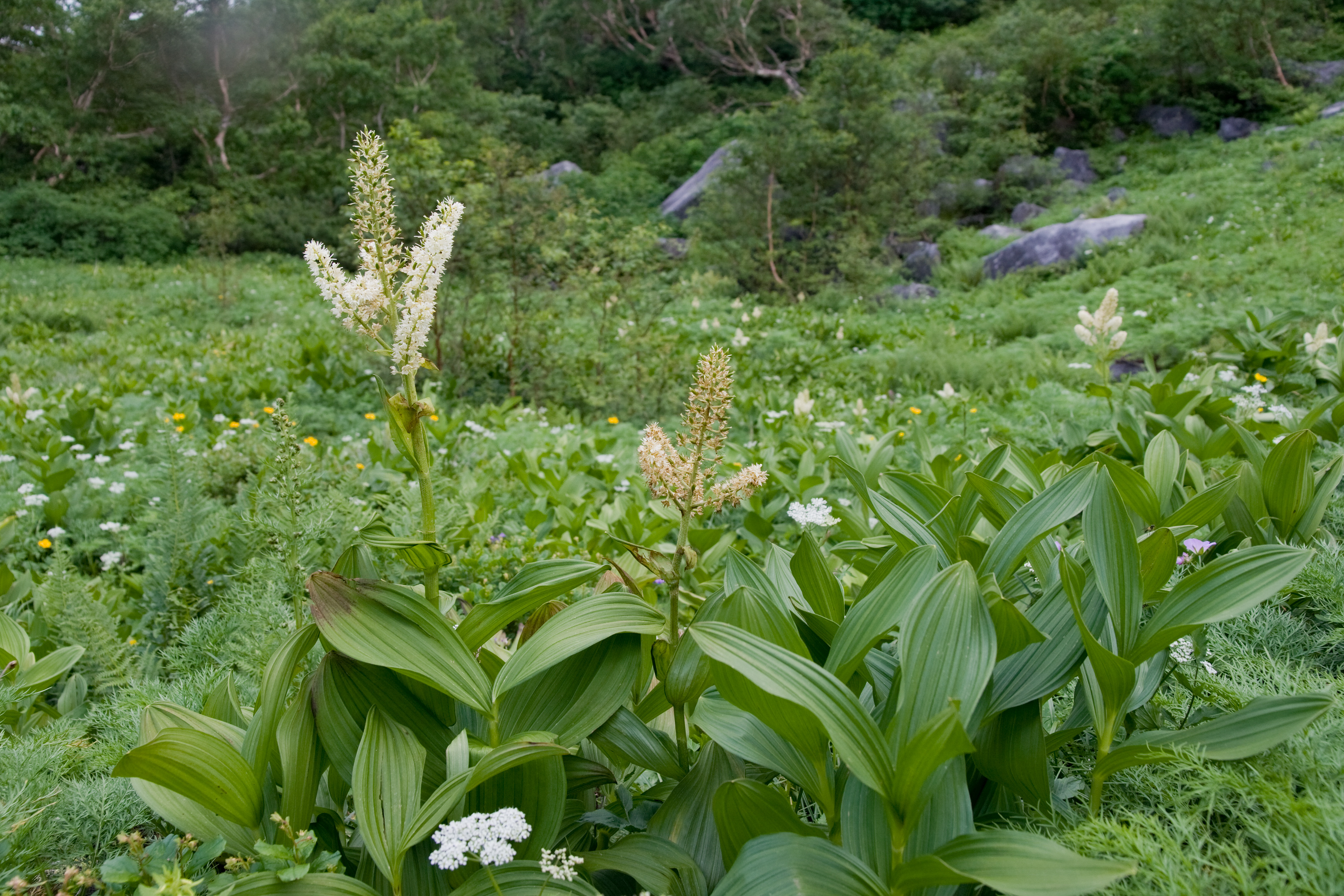
Also known as corn lilies, members of the genus veratrum are highly toxic, containing steroidal alkaloids, which can cause cardiac arrest. While the roots and rhizomes are the most toxic part of the plant, ingestion of any part is inadvisable. Symptoms of poisoning include nausea, vomiting, abdominal pain, numbness, headache, sweating, weakness, decreased blood pressure and heartbeat, and seizures, with a high potential for death.
16.
Castor Oil Plant, Species
Ricinus communis
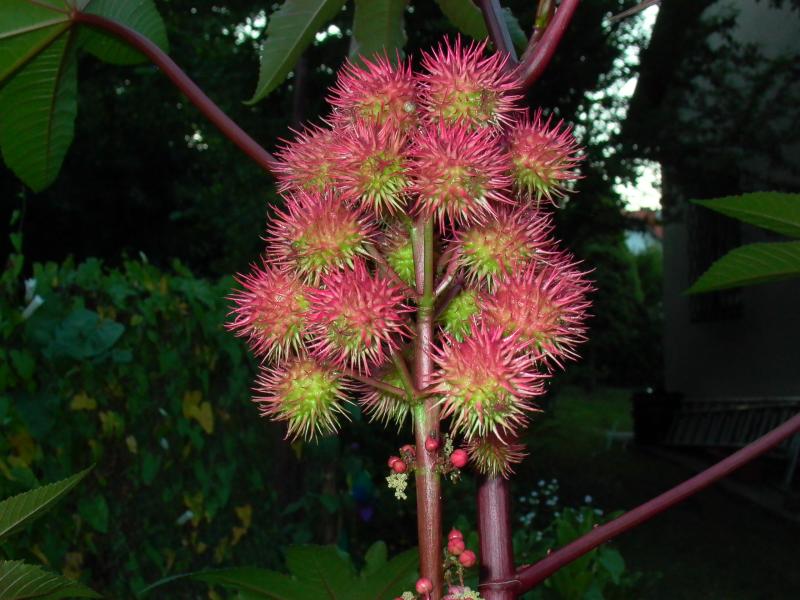
Again, the castor oil plant is another plant stated to be the most poisonous in the world, even by the 2007 Guinness Book of World Records. They couldn't be more wrong. However, it is still extremely dangerous, containing the toxin ricin, especially in the beans. Some source state that a single bean contains enough ricin to kill an adult, but a more realistic dose would be between four and eight beans, depending on how well chewed they are. Initial symptoms include a burning sensation in the mouth and throat, abdominal pain, and bloody diarrhea. Several days following, dehydration, a drop in blood pressure, and a decrease in urine are expected, followed by death if left untreated.
15.
Upas Tree, Species
Antiaris toxicaria
Sometimes called the bark cloth tree, false iroko, or false mvule, the upas tree is best known for being the source of poison in Javanese culture, especially on arrows, darts, and javelins. While the oral dosage for this plant is unknown, it is said that once hit by a coated weapon, a person can take no more than seven steps uphill, eight downhill, or nine across flat land, before collapsing.
14.
Poison-Oak, Species
Toxicodendron pubescens and
Toxicodendron diversilobum
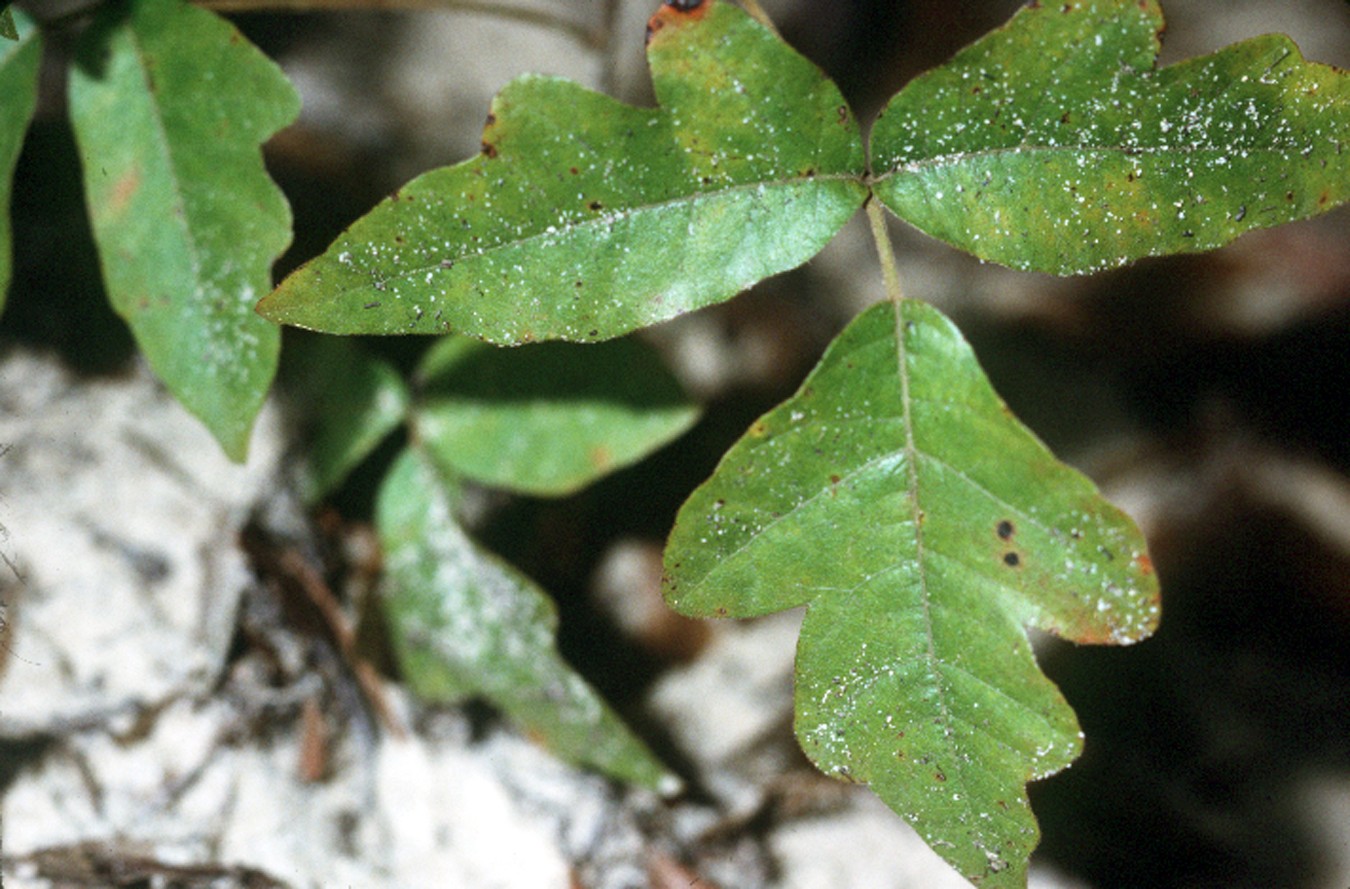
Containing the potent toxin urushiol, poison-oak is best known for the severe itching it causes on contact in most individuals. Then comes swelling, hives, and blistering on the skin. Ingestion of the leaves of the poison oak is not wise, as it could lead to severe inflammation of the mouth and throat, causing an anaphylactic reaction and ultimately ending in asphyxiation.
13.
Poison Ivy, Species
Toxicodendron radicans
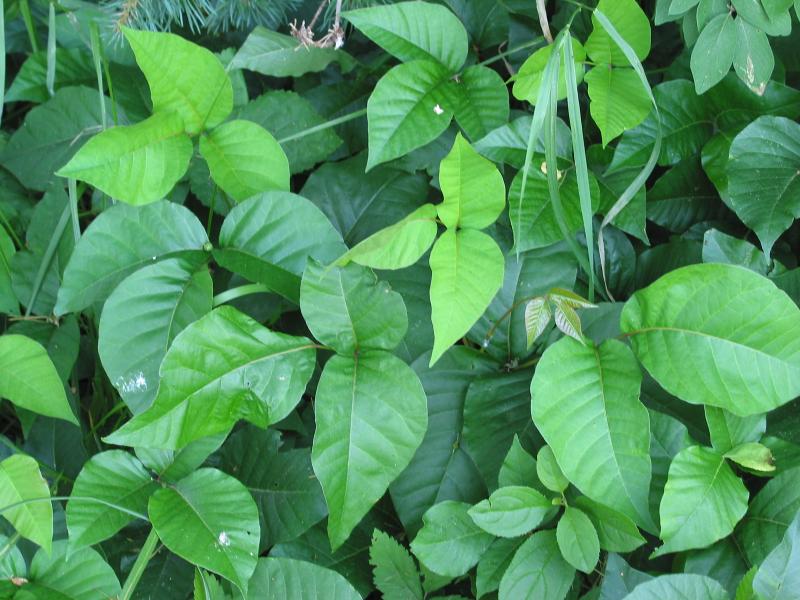
"Leaves of three, let it be.", is a common mnemonic for identifying poison ivy. Also containing urushiol, like poison oak, poison ivy contains a similar concentration of the substance, causing near identical symptoms. Though fifteen to thirty percent of people remain unaffected by urushiol, it chemically binds to the skin and can remain active for several years.
12.
Baneberry, Genus
Actaea
Also known as bugbane or doll's-eyes, due to the appearance of certain species in this genus, the baneberry is a very toxic plant, hence the name. Consumption of as few as six of the waxy berries can cause severe sickness, resulting in cardiac arrest and death, with the dose depending upon the particular species.
11.
Barbados Nut, Species
Jatropha curcas
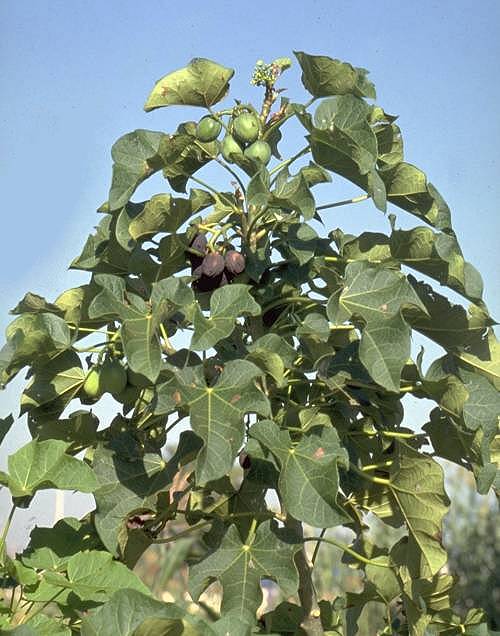
Also known by names such as purging nut and physic nut, the barbados nut is of great danger due to the pleasant flavor of the seeds, which contain both cyanides and a toxin called curcin. These nuts also contain oils that are amongst some of the most powerful purgatives or laxatives used in the medical world, and consumption of as few as five seeds has the potential to cause a very messy death.
10.
Yew, Genus
Taxus
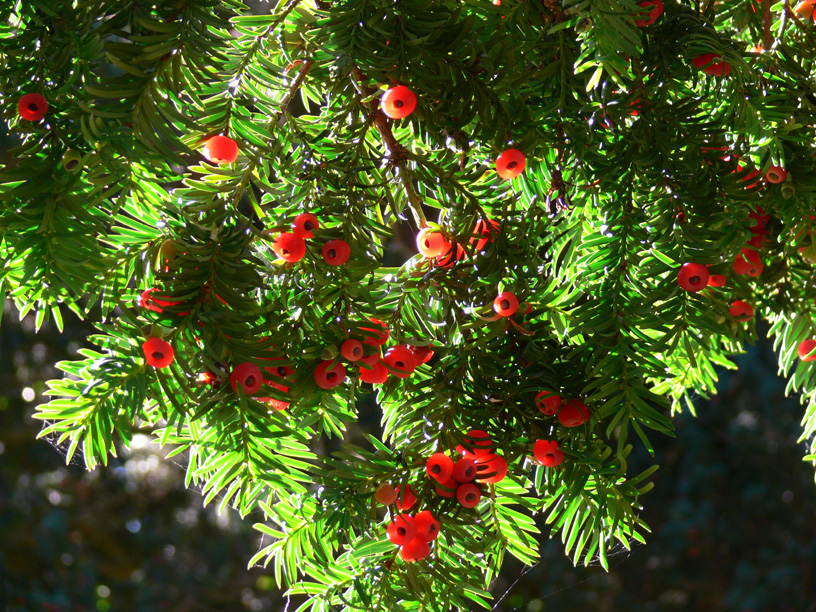
Though the most toxic species of yew is the european yew, all varieties of yew contain taxanes, with all parts of the tree, except the fruity aril, containing the toxins. The toxins are especially concentrated in the seeds, and the consumption of as few as three seeds can cause severe sickness and death in humans.
9.
Sago Cycad, Species
Cycas revoluta
More often known as the king sago palm or sago palm, this tropical plant contains high levels of the toxin known as cycasin, with the seeds containing the most. Though cases of poisoning usually occur with animals, human poisonings have been known, and ingestion of only two seeds can result in death. The symptoms of sago cycad poisoning include vomiting, diarrhea, weakness, seizures, liver failure, and hepatotoxicity, eventually leading to death. Anyone that has ingested any quantity of the plant should immediately be taken to a local poisons center.
8.
Belladonna, Species
Atropa belladonna
Belladonna, formally known as atropa belladona and commonly known as deadly nightshade, or sometimes sleepy nightshade, amongst other names, is perhaps one of the best known poisonous plants in the world. All parts of the plants are extremely toxic, containing tropane alkaloids. While the root is the most toxic part of the plant, as little as one leaf or ten to twenty berries can result in death. Symptoms of nightshade poisoning include dilated pupils, sensitivity to light, blurred vision, rapid heartbeat, loss of balance, headache, rashes, flushing, dry mouth and throat, slurred speech, constipation, confusion, hallucinations, delirium, and convulsions. The plant is of greatest threat to children due to the attractive and mildly sweet berries.
7.
Suicide Tree, Species
Cerbera odollam
Known also as the pong-pong or othalanga, the suicide tree is best known for the small kernels it produces, which contain cerberin. Though the seed has a strong flavor, it can be masked with heavy spices, and consumption of a single seed will most often cause cardiac arrhythmia and eventually cause death through heart attack.
6.
Strychnine Tree, Species
Strychnos nux-vomica
Also known as nux vomica, the strychnine tree is the sole source of the deadly pesticide strychnine, and also contains the toxin brucine. Both the blossoms and the seeds contain very high levels of strychnine, and as little as one can result in death. The symptoms of strychnine poisoning include rapid heartbeat and increased blood pressure amongst others, but these are often masked by the violent convulsions that take place due to poisoning.
5.
Monkshood, Genus
Aconitum
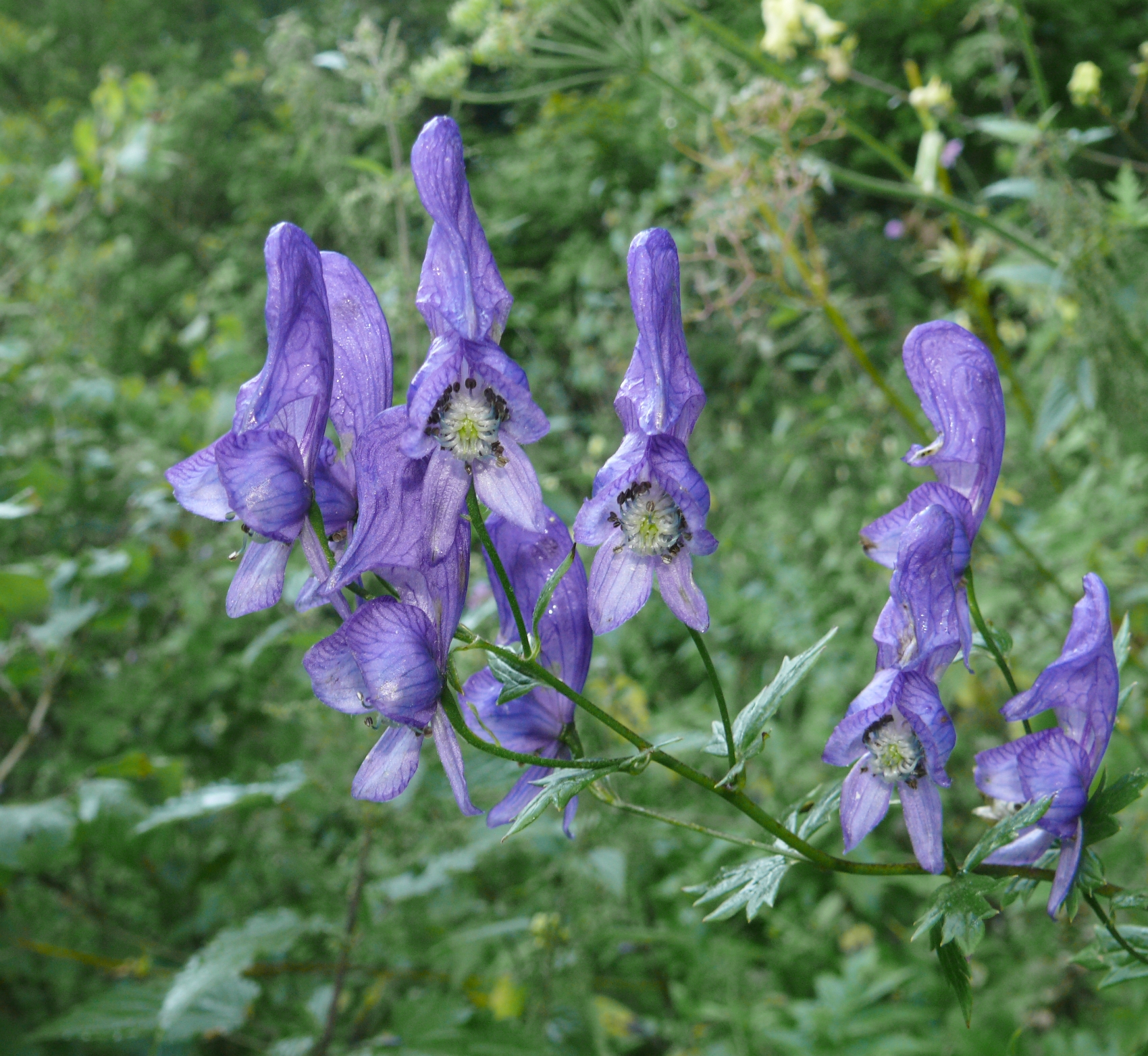
Known by various names, including aconite, wolfsbane, blue rocket, leopard's bane, women's bane, and Devil's helmet, the aconitum genus is amongst the most toxic known to man. A particularly dangerous aspect of this plant is the fact that the toxins can be absorbed through the skin, with the sap absorbed into the skin from picking eleven leaves being enough to cause sickness. Though the ingestion of as little as a single leaf may be enough to cause death, the exact dosage is unknown. Symptoms of aconite poisoning include nausea, vomiting, diarrhea, sensations of burning, numbness of the face, weakness, low blood pressure, decreased heartbeat, sweating, dizziness, respiratory difficulty, headache, and confusion. All varieties of monkshood should be considered equally deadly and should not be handled without gloves.
4.
Jequirity, Species
Abrus precatorius
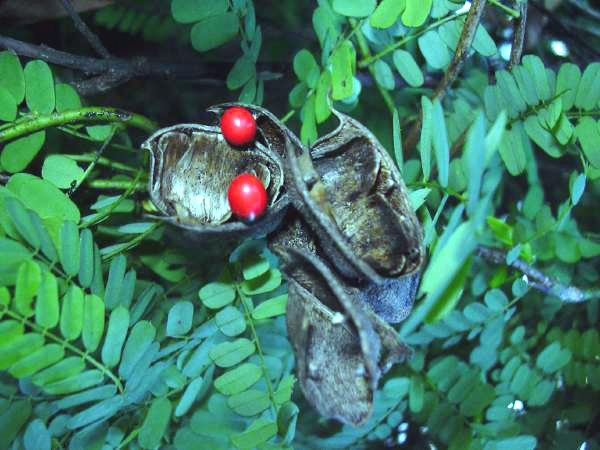
Best known by the names rosary pea and crab's eyes, amongst others, the rosary pea is famous for the seed it grows. However, despite being used in certain jewelery, the bean is also the most toxic part, containing abrin, which although similar to ricin, is approximately seventy-five times as potent. There have been cases in the past where jewelers have accidentally pricked themselves with a needle whilst working with rosary peas, and died from poisoning as a result. The symptoms of abrin poisoning are almost identical to that of ricin poisoning.
3.
Poison Sumac, Species
Toxicodendron vernix
Related to both poison oak and poison ivy, poison sumac is their deadlier counterpart, containing much higher concentrations of the rash-inducing chemical urushiol. It is considered by some botanists to be the most toxic plant species known, and it is fairly possible that as little as a nibble of the plant can cause an anaphylactic reaction, resulting in swelling of the mouth and throat and ultimately, asphyxiation.
2.
Water Hemlock, Genus
Cicuta
Sometimes known as cowbane or poison parsnip, water hemlock is especially dangerous due to its resemblance to the cultivated root parsnip. All parts of the plant contain cicutoxin, especially the root, and even a nibble can result in violent convulsions and death. It is well known for being perhaps the most violently lethal plant. After ingestion, death can occur in as little as fifteen minutes.
1.
Foxglove, Genus
Digitalis
Without a doubt the most toxic plant I know of, foxglove, also known as dead man's bells, witches' gloves, and lady's gloves, contain a toxin known as digoxin, amongst others. Symptoms of digitalis poisoning include nausea, vomiting, diarrhea, abdominal pain, wild hallucinations, delirium, severe headache, tremors, convulsions, irregular heartbeat, and cardiac arrest. All parts of the plant are deadly toxic, with as little as a single nibble being enough to cause death.
Honorable Mentions:These are plants that struggled to make it onto the list, but either didn't have enough information on them, or simply weren't toxic enough to qualify. Still, be wary of these.
- All varieties of nightshade, including mandrake, jimsonweed, and many others, Family Solanaceae
- Alocasia, Genus Alocasia
- Daffodils, Genus Narcissus
- Dumbcane, Genus Dieffenbachia
- Elephant Ear, Taro, Dasheen, and Eddoe, Genus Colocasia
- Gluta, Genus Gluta
- Golden Chain, Genus Laburnum
- Heavenly Bamboo or Sacred Bamboo, Species Nandina domestica
- Hellebores, Genus Helleborus
- Hyacinth, Genus Hyacinthus
- Hydrangeas, Genus Hydrangea
- Iris, Genus Iris
- Larkspur, Genus Consolida and Delphinium
- Lilies, Genus Lilium
- Moonseed, Genus Menispermum
- Rhododendrons, Genus Rhododendron
- Shrub Verbenas, Genus Lantana
- Snakeroot, Genus Ageratina
- Tulips, Genus Tulipa
- Wisteria, Genus Wisteria
Additionally, if there's any plants that you'd like to know about or are curious about, ask away and I'll try to answer as best I can.
Disclaimer: While I try to bring you the most reliable information that I can, there is no guarantee that the list above is an accurate representation of the most toxic plants in the world, as tests have not been done and many plant species are unidentified and have unknown toxicities. Under no circumstances do I encourage nor endorse the consumption of any of the above plants in a dangerous manner for non-medical purposes. It's also important to remember that while certain plants may not harm certain animals, such as deer, rabbits, birds, or cattle, they can still be deadly to people.
Photographs courtesy of the Wikimedia Foundation and a good friend of mine.







.jpg "Manchineel tree is a small tree, growing up to fifteen meters in height, characterized with grayish bark, shiny green leaves, and when blooming, spikes of small greenish flowers. The fruit is said to resemble a green apple, and often the tree is marked with scores near the base. It grows anywhere along the southern United States, down in Central America, and as well in South America, usually near coastal beaches.")